The grand-sounding “John Maine Arena” in London, on The Embankment, isn’t a new football stadium or a performing arts centre. This understated sculpture sits outside The National Theatre.
John Maine the sculptor, studied at the Royal College of Art between 1960-64. His sculpture caught my eye during an Autumn stroll along the Embankment in 2025.
The Arena was assembled in situ, with Portland stone, between 1983 and 88.
Irregularly angled blocks lock together in a broken circle. People walk through the sculpture, while the Thames flows through London. They can walk around, over, and through the sculpture. It blends with the landscape and kids love it.
Reference: article in Strong Island, Short movie
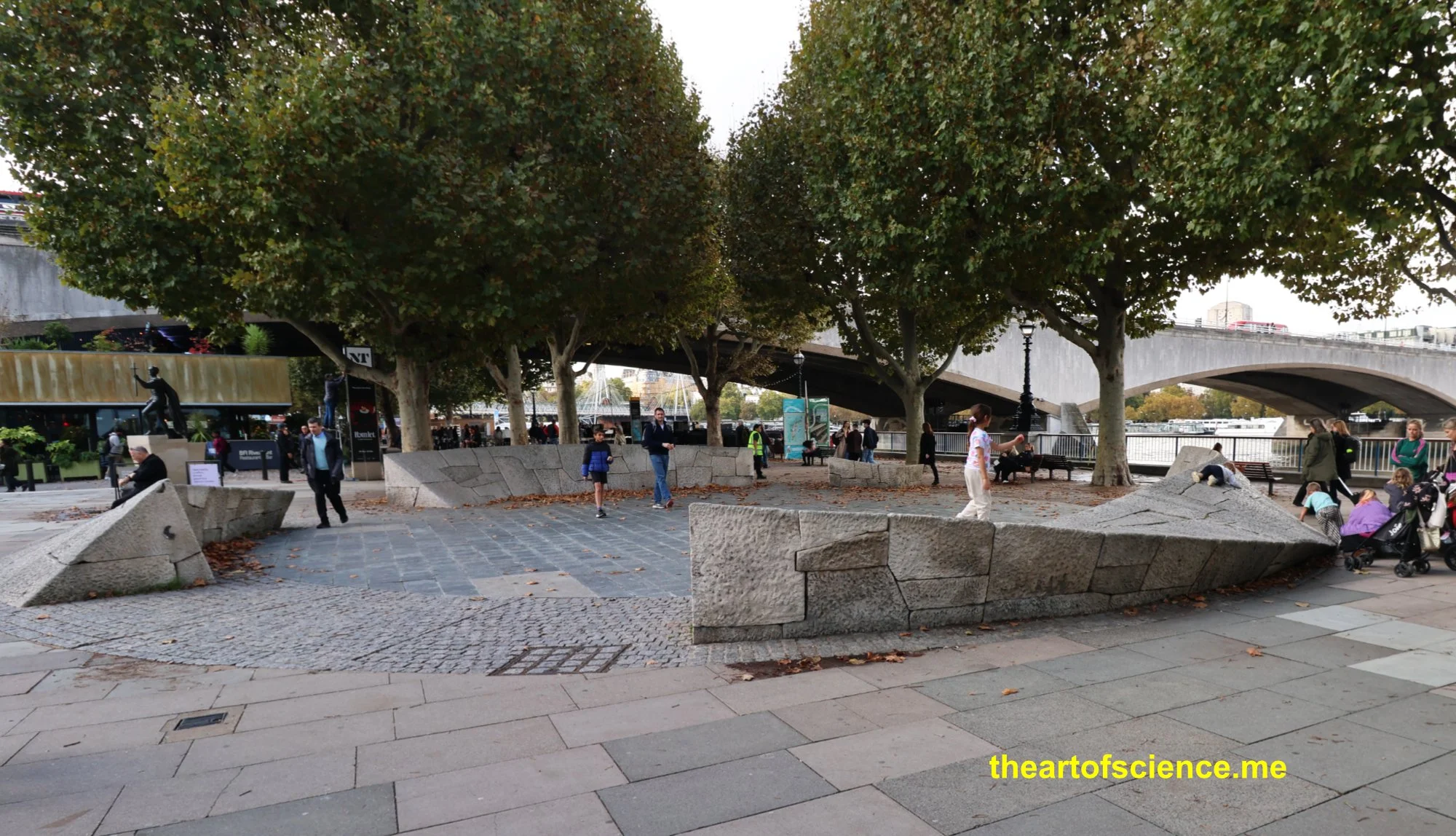
Granite is used along the Thames in various structures. (The needle, London bridge). From a distance I mistook The Arena for a granite build.
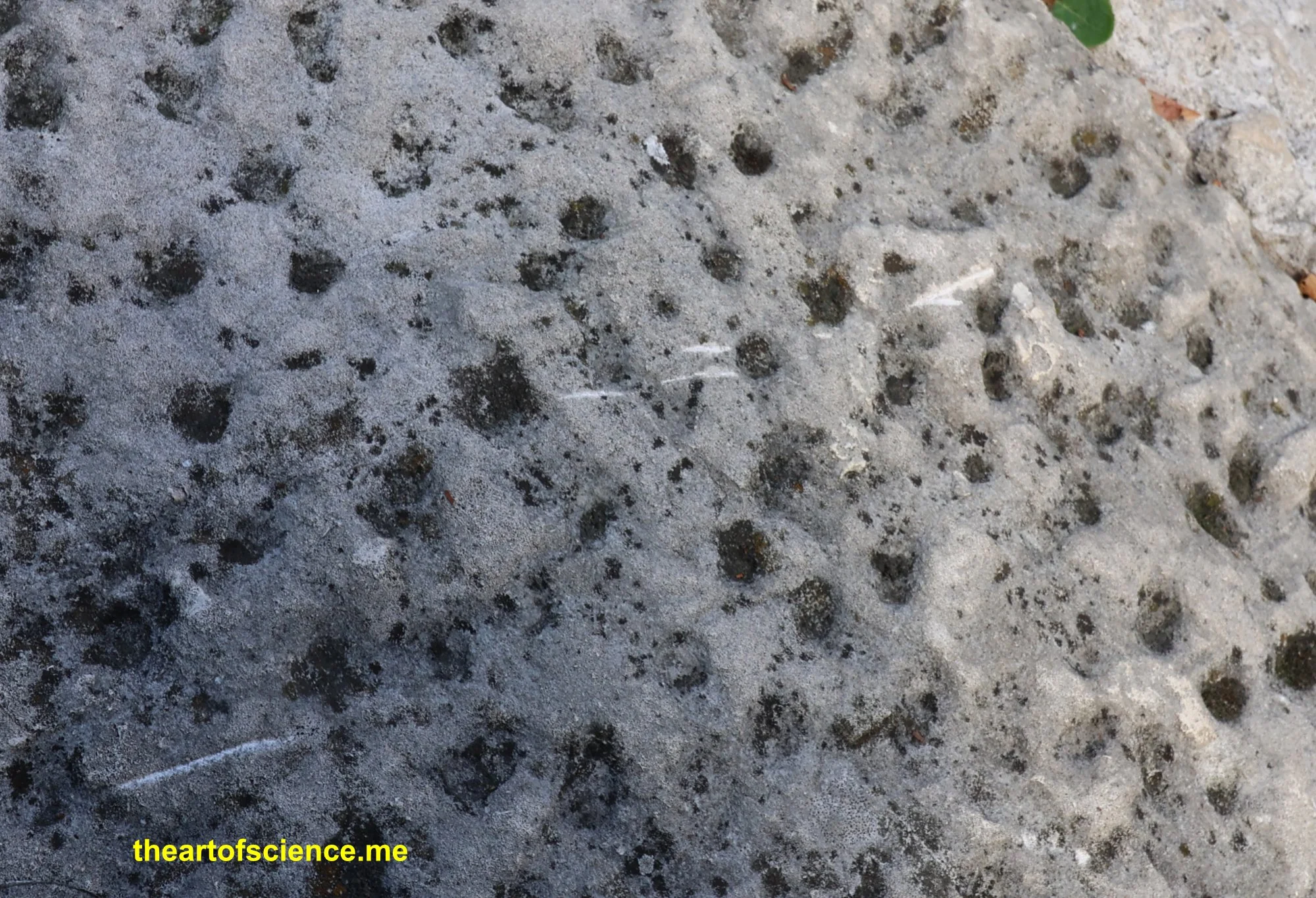
Grey stone, fine grained with shell fragments, it’s probably limestone. Limestone fizzes and dissolves in acid.
I googled it. It’s Portland stone, a late Jurassic age limestone, 150 million years old. No need to attack the famous London landmark with acid.
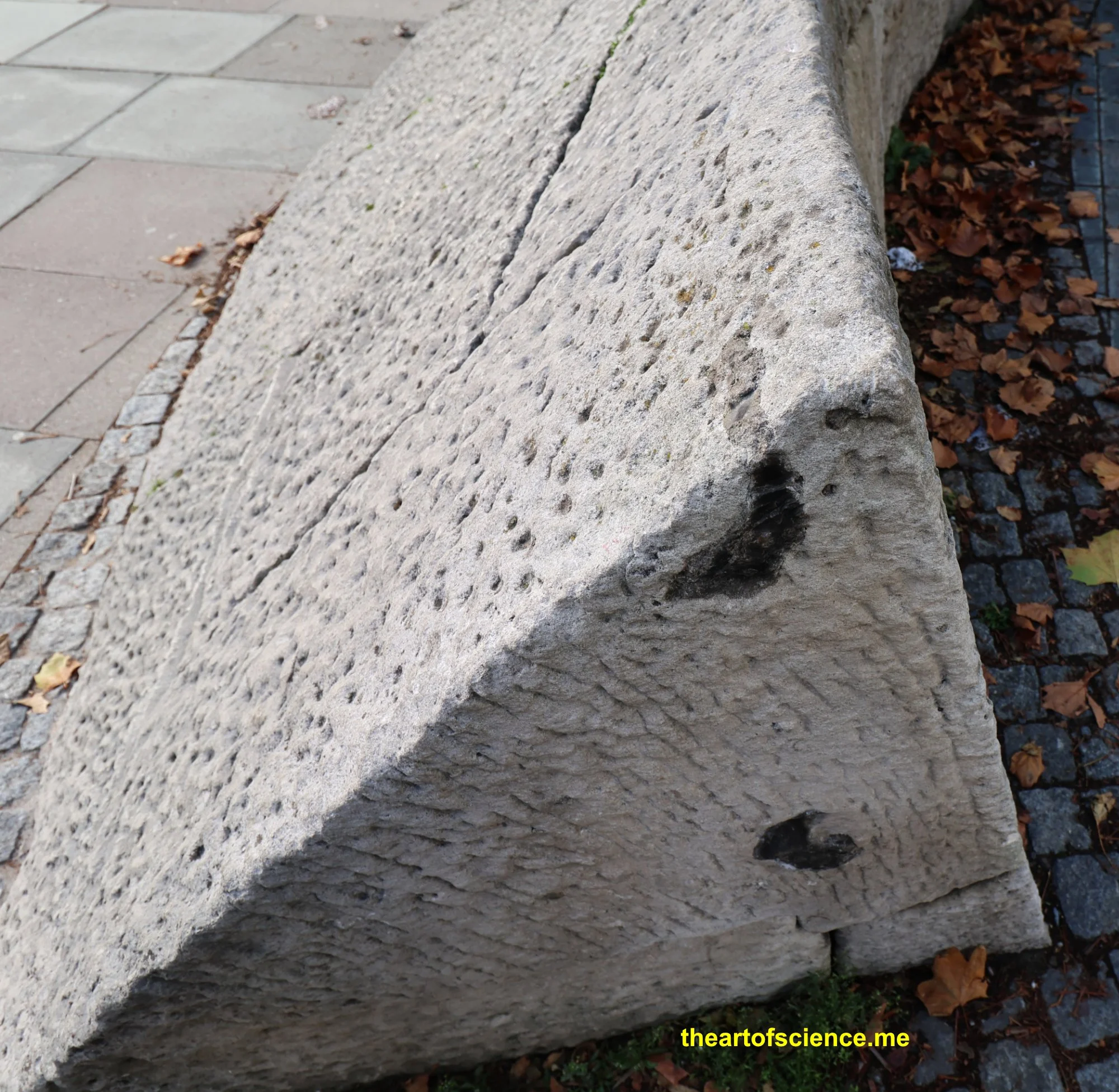
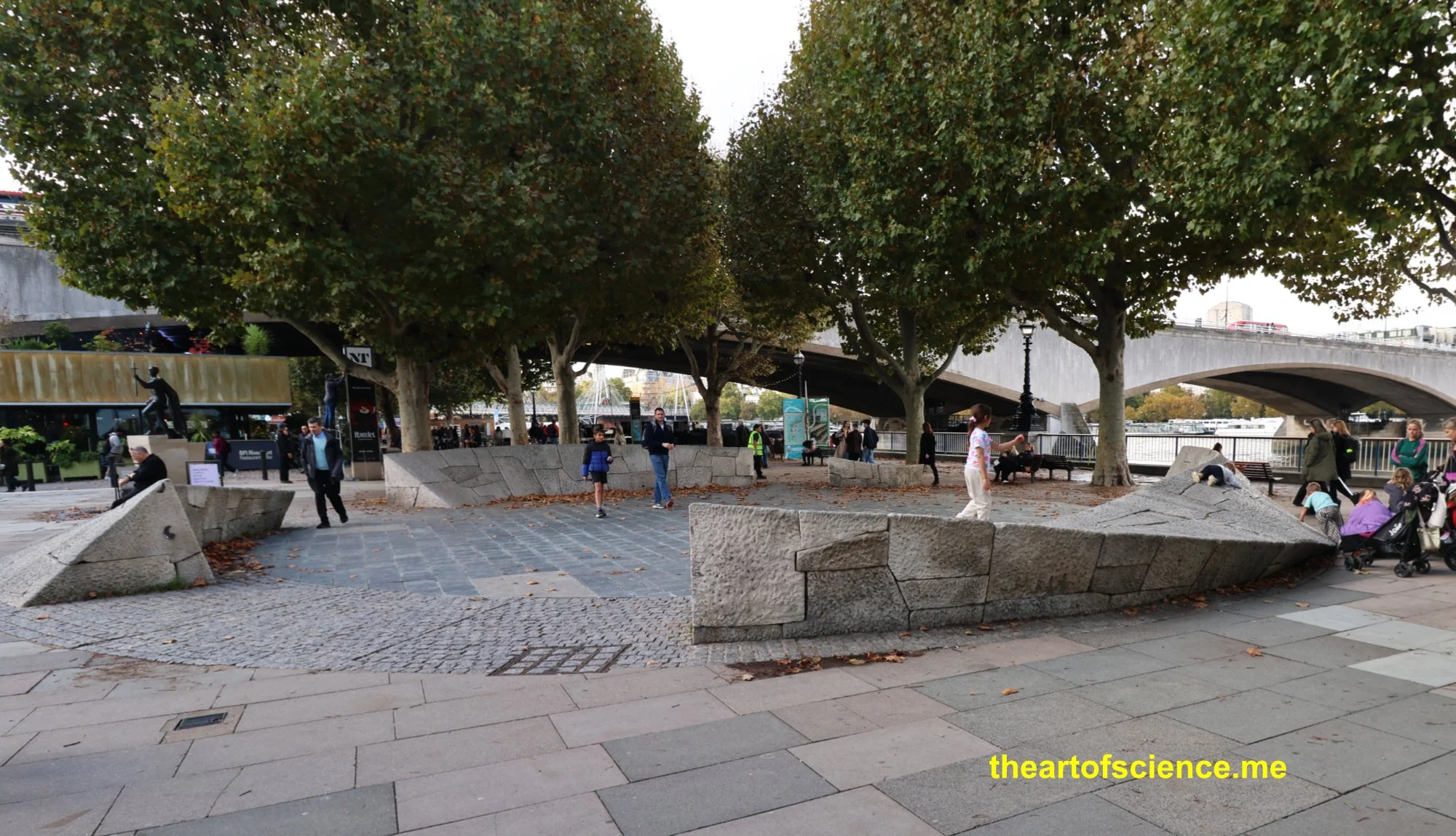
Portland stone blocks had to be trucked from Dorset and dumped in a heap beside the National Theatre before work could begin.
Rough pieces of Portland stone were individually sculptured into angular curved blocks. The giant stone kitset was assembled by a team of Lego enthusiasts.
Could Portland stone be sculptured in its original setting? Redesign the original landscape?
John Maine had a go.
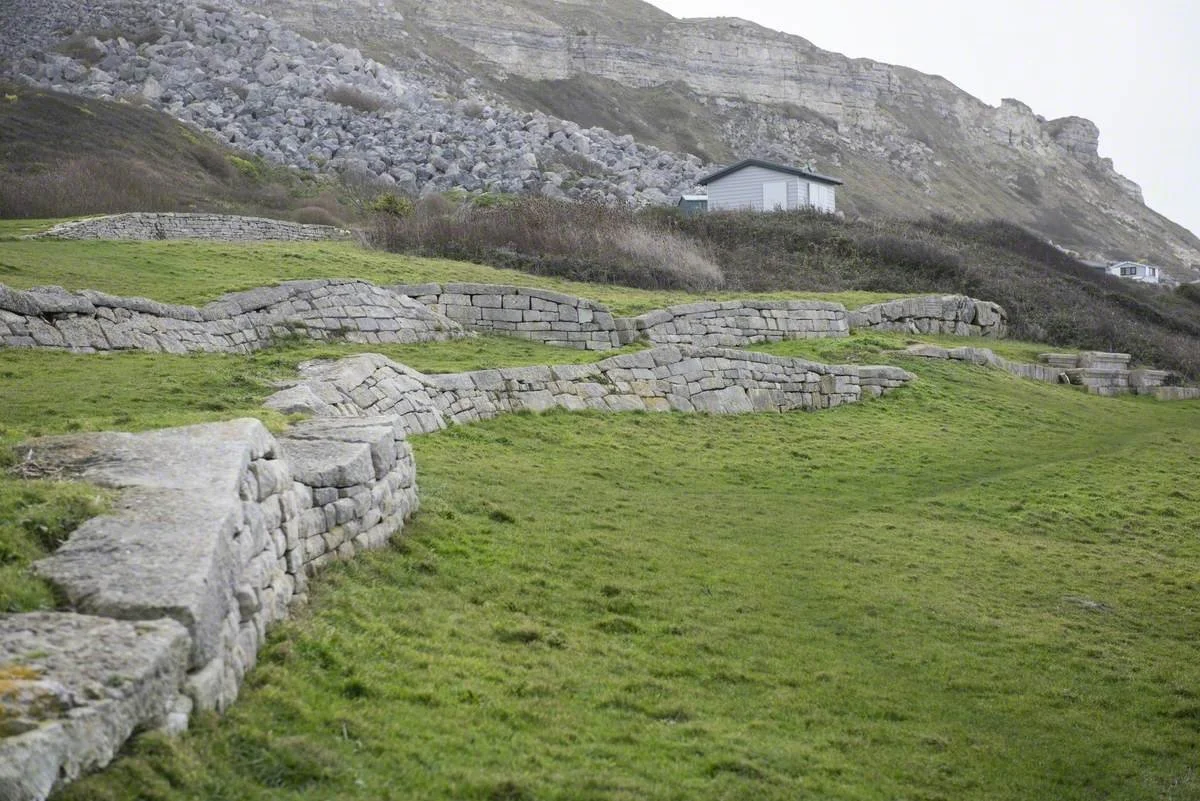
Chiswell Earthworks, Portland Dorset.
Portland stone for the Arena sculpture probably was probably sourced from the pile of rubble high up on the hillside. The layers of oolitic limestone in the cliffs were formed around 150 million years ago in shallow seas.
Wave forms in the stone walls symbolise waves washing up on the beach. Each layer of the sculpture uses blocks cut from different levels of the limestone. Geology landscape and sculpture in harmony.
The sculpture uses the landscape and reworks it into a different form.
Meanwhile on the other side of the world things are taking shape.
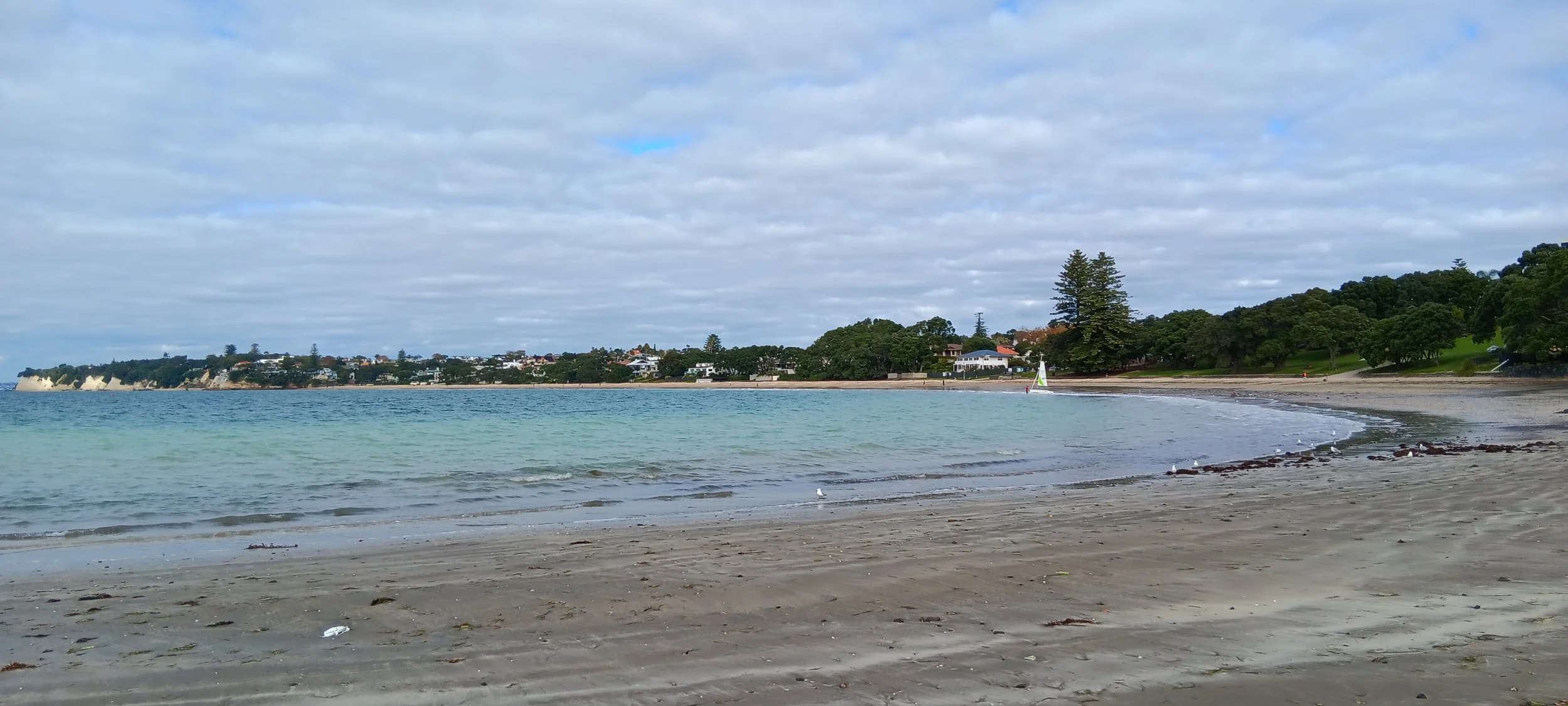
Takapuna beach, Auckland New Zealand.
Auckland is the only city in the world built on a live volcanic field.
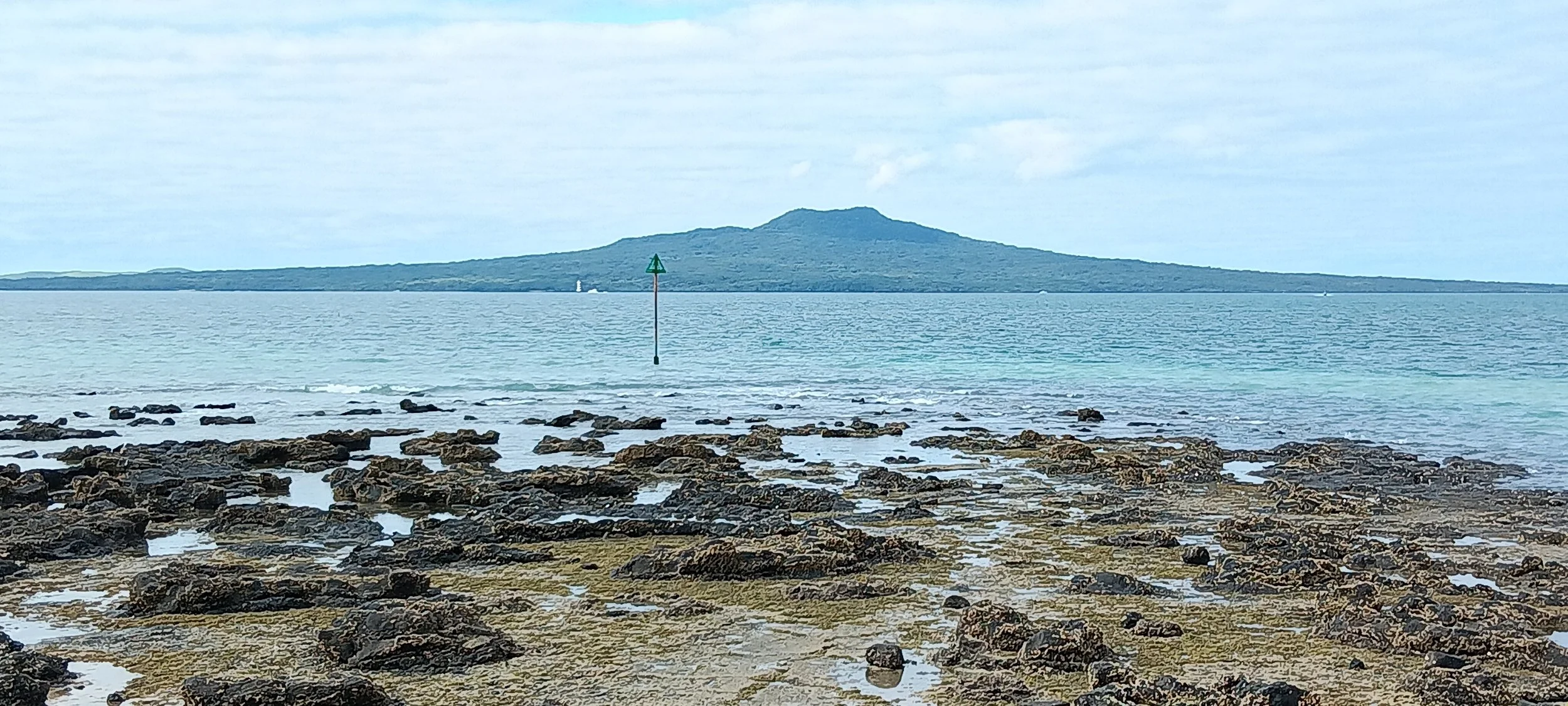
Rangitoto is the youngest volcano of the Auckland volcanic field. It exploded over the landscape around 600 years ago.
Auckland sits on a Pacific hot spot and large molten blobs of basaltic magma are creeping to the surface as you read this. Turn round, look towards town and you’ll find Lake Pupuke. Lake pupuke is the remains of a crater from an eruption 193,200 years ago give or take two weeks.
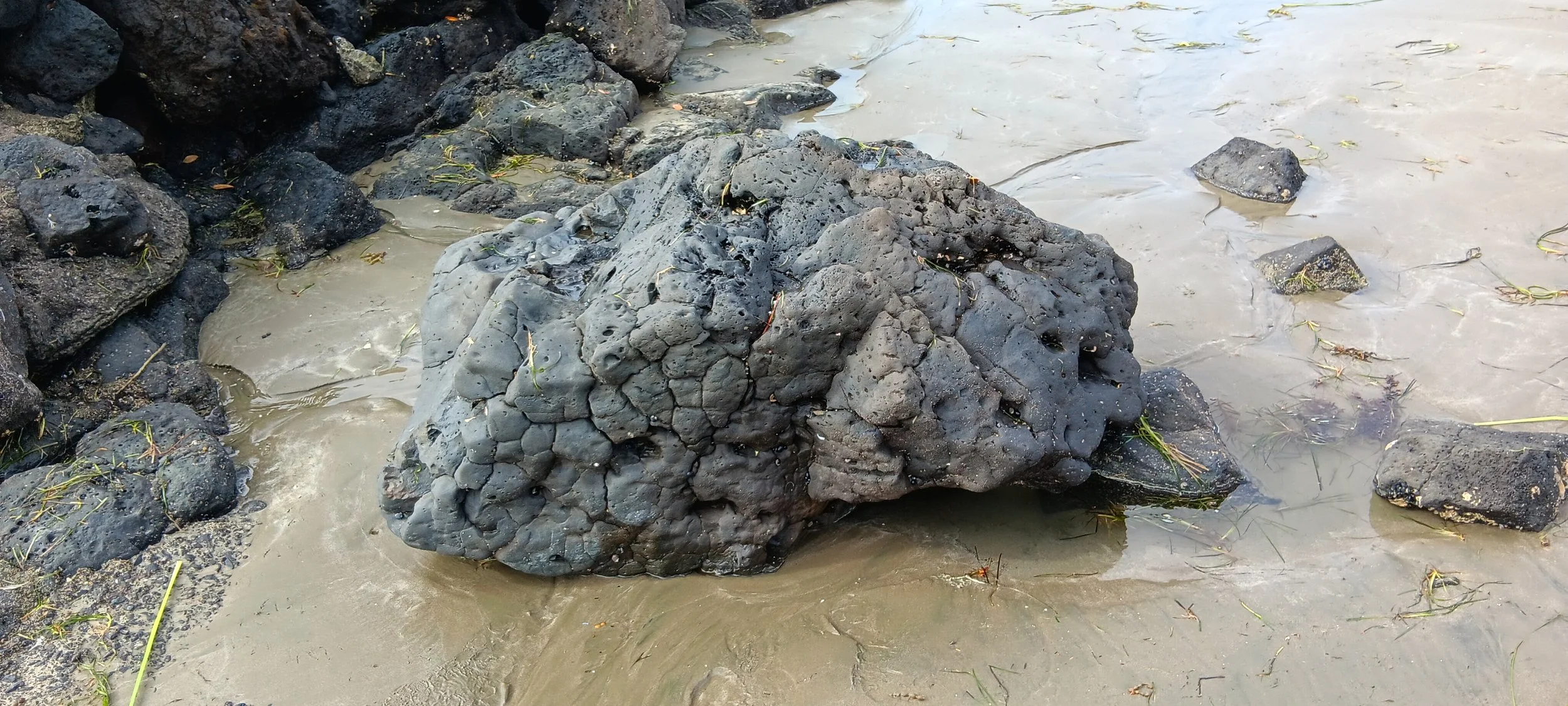
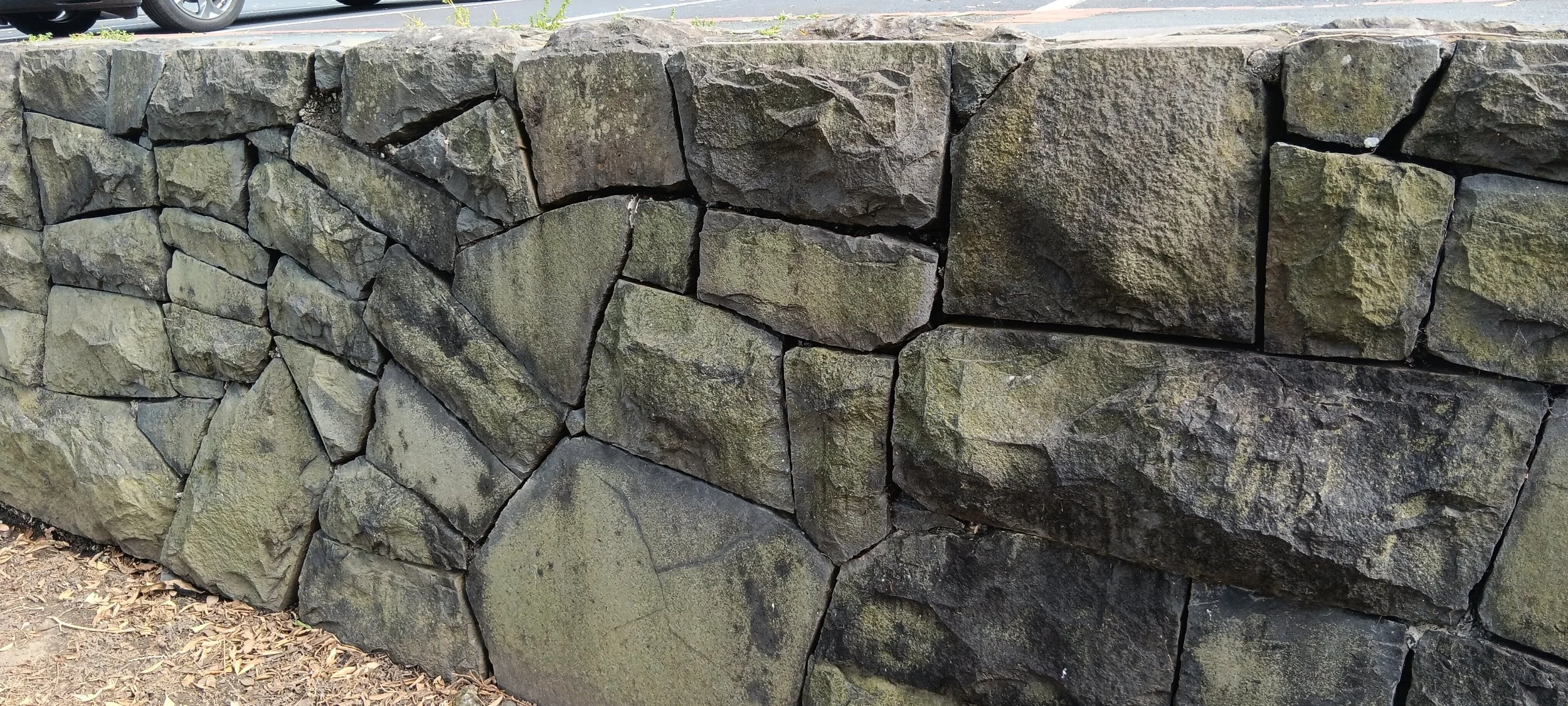
A basalt block from the Pupuke eruption on Takapuna beach. Characteristic hexagonal cooling joints cut the block.
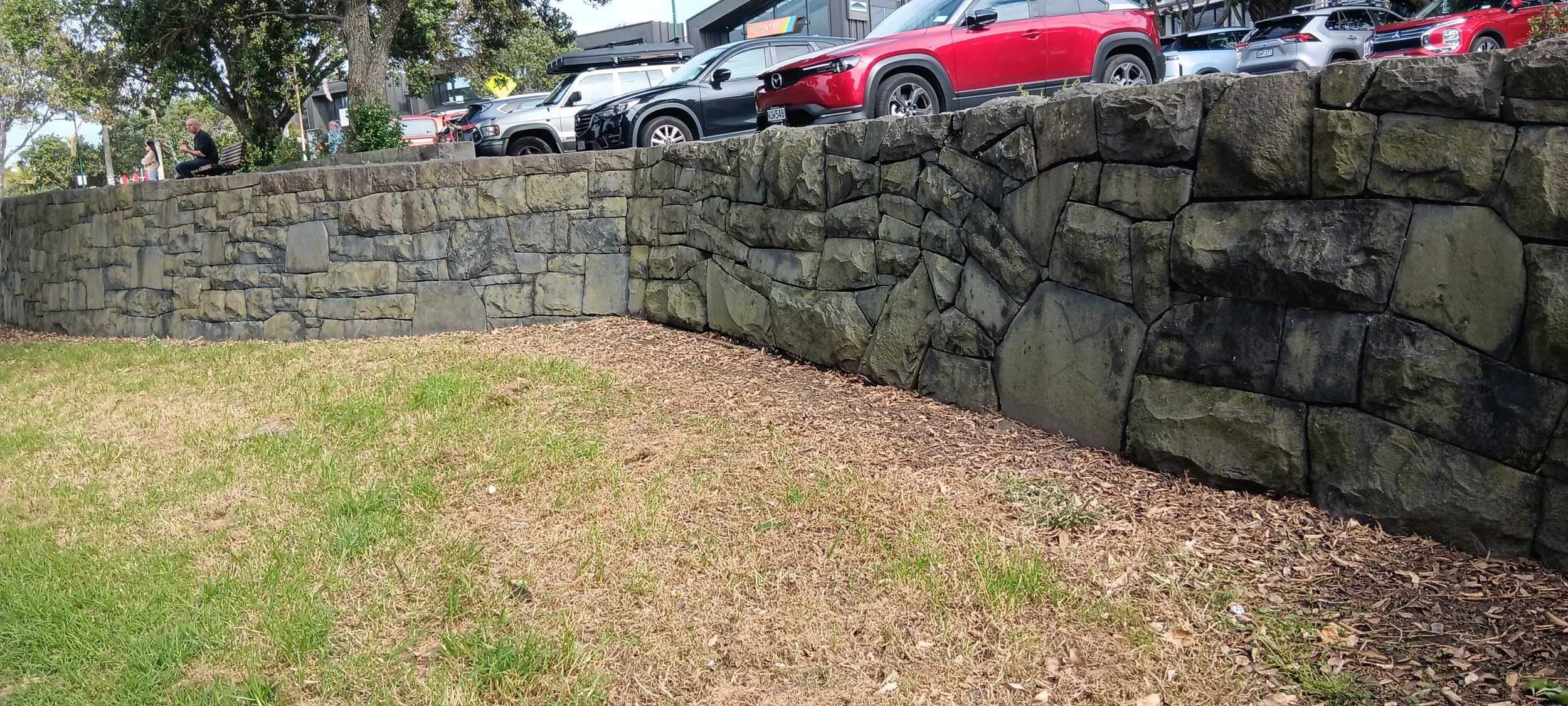
Angular basalt blocks carefully locked in position. Curved lines hint at volcanic cones and lava flows. The landscape has morphed into a work of art where you can park your car. Auckland city literally grew from its volcanic past.
It’s quite likely that John Maine visited Takapuna and picked up a few ideas.