
.
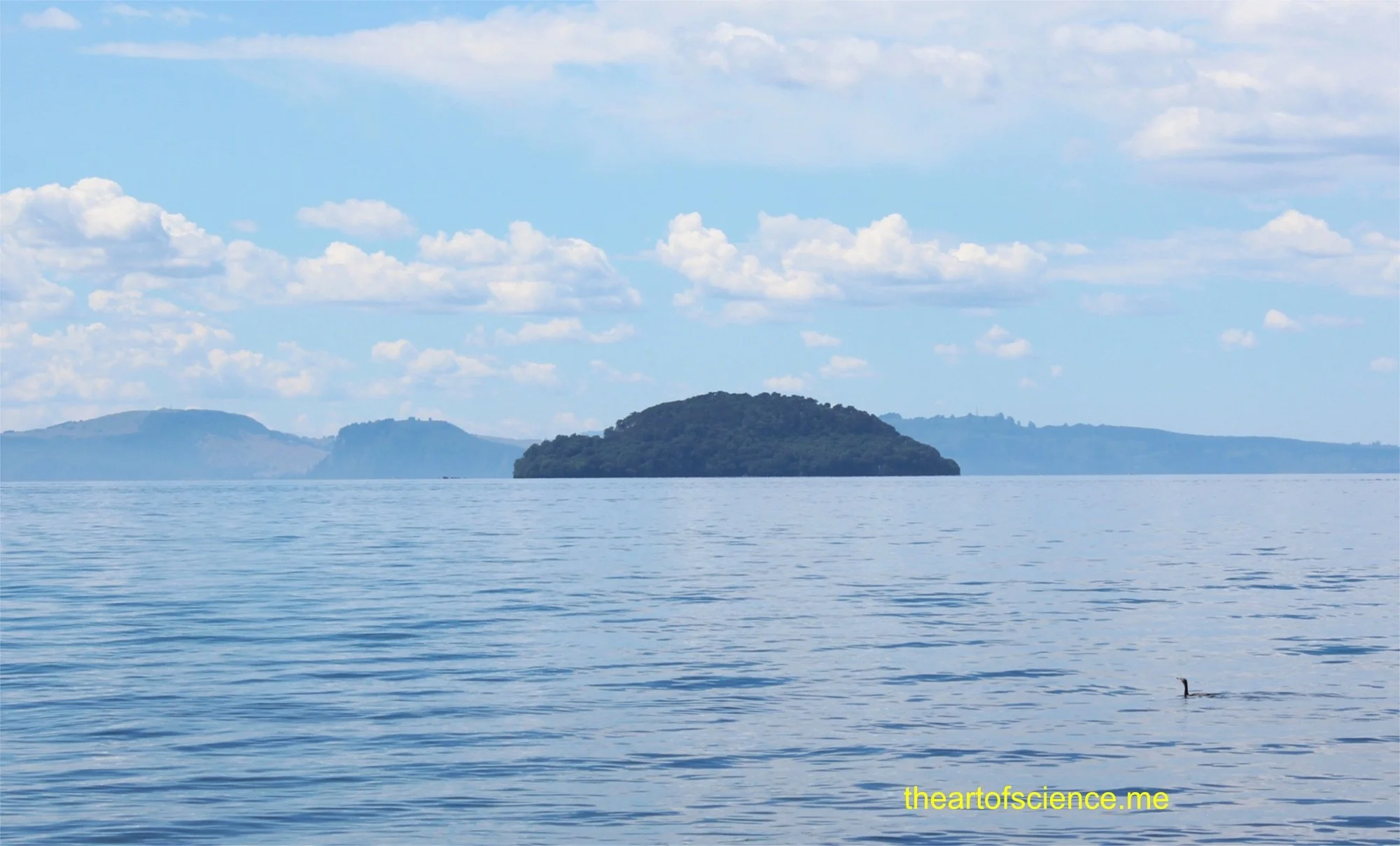
Living on the Edge.
Motutaiko Island is the top of a giant hazard sign. Danger lies below in a magma chamber deep in the Earth’s crust. Nothing is permanent in these parts.
The island is the visible part of a giant exclamation mark that pushes through the lake before tunnelling through the crust.
It connects to a magma chamber containing molten rhyolite above 1000 degrees Celsius. Swarms of minor earthquakes, and rising lake temperatures might indicate that magma is moving, heading towards the surface. The lake is closely monitored.
Rhyolite magma is viscous like molten glass. It tends to bulk up, forming a dome. Domes are a feature of the central North Island landscape.
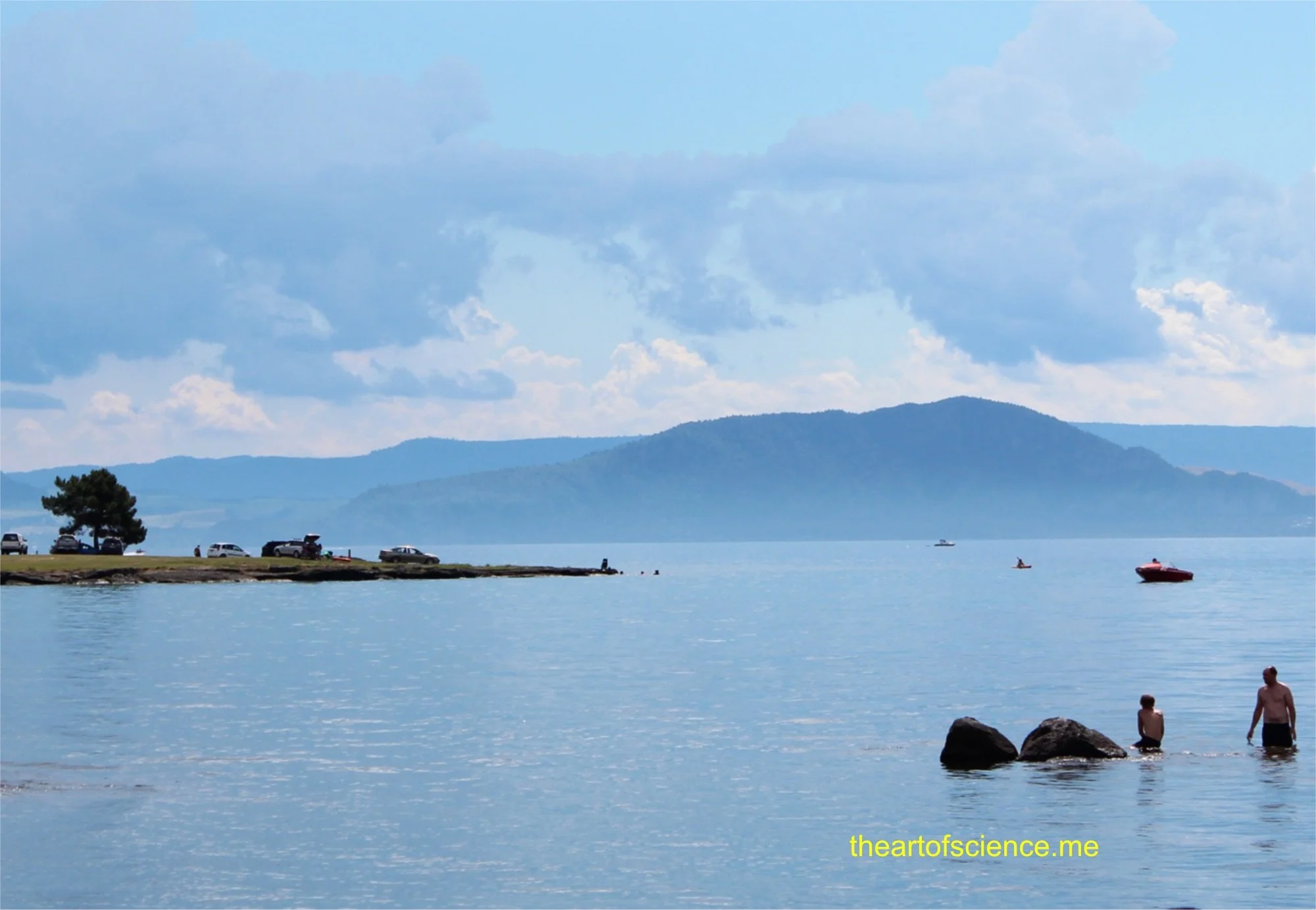
Lake Taupo Caldera.
A Caldera is the remains of a volcano that has collapsed in on itself.
Eruptions around the Taupo volcano began about 200,000 years ago. 29 eruptions have occurred near this spot in the last 30,000 years, the most recent occurring about 1,800 years ago.
There have been at least 17 episodes of volcanic unrest at Taupō in the last 140 years. We have been warned!
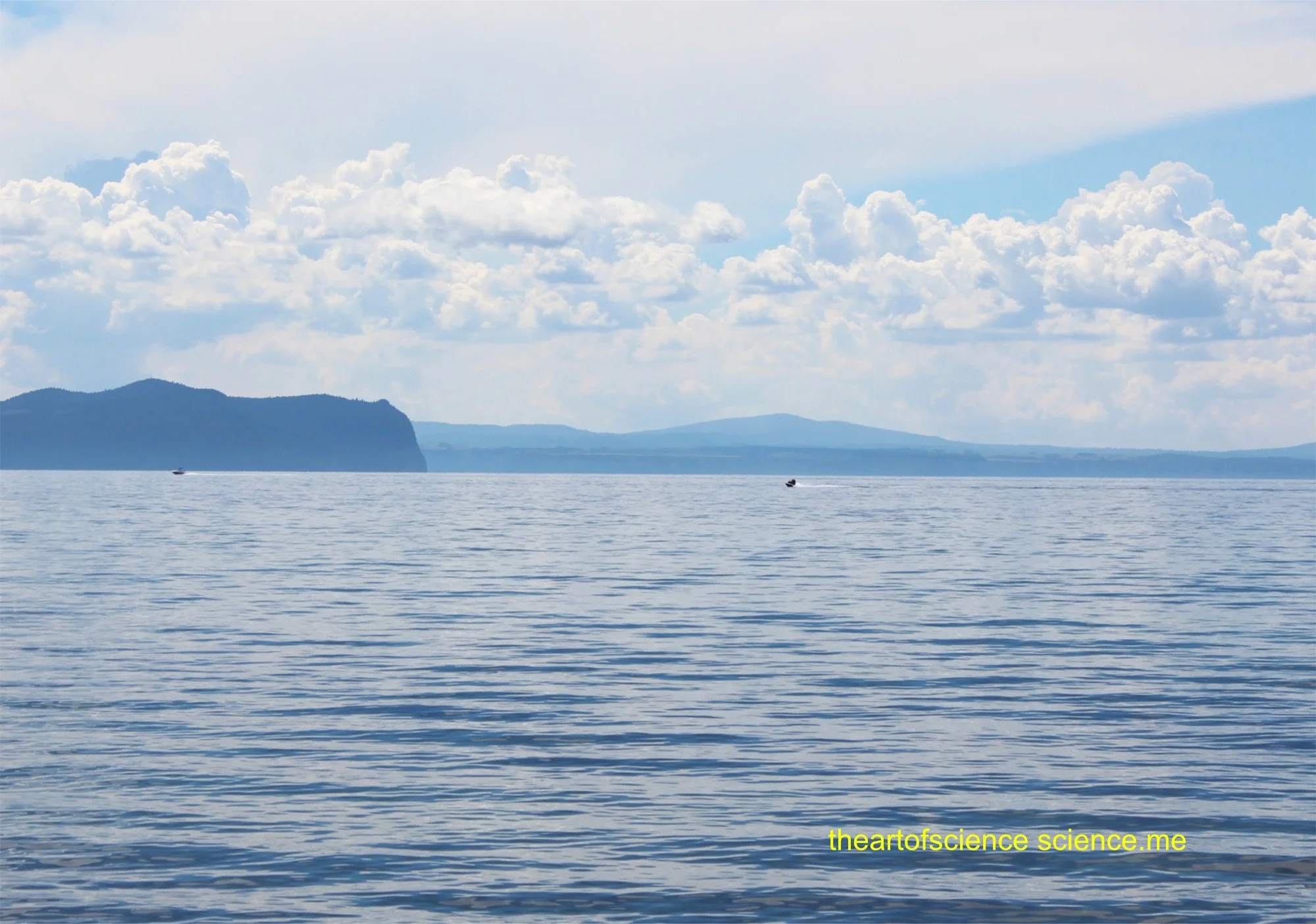
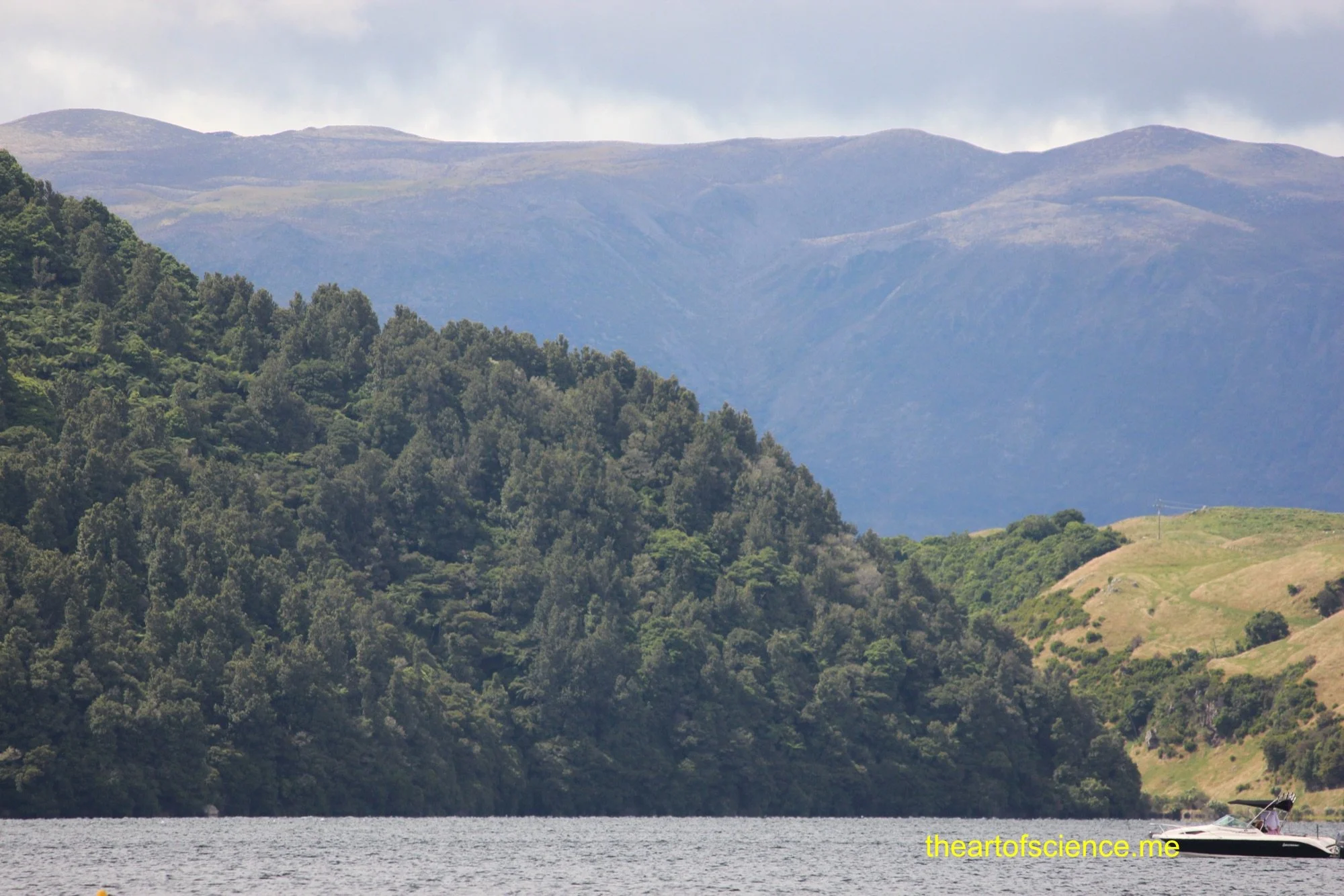
The Taupo Caldera.
Magma chambers deep within the crust empty and refill in cycles. When magma drains, the chamber can collapse under the weight of overlying rocks.
The collapse happens along circular, concentric faults, leaving a depression that, over time, becomes a lake fed by river systems.
The term “Caldera” refers to the depression remaining after collapse.
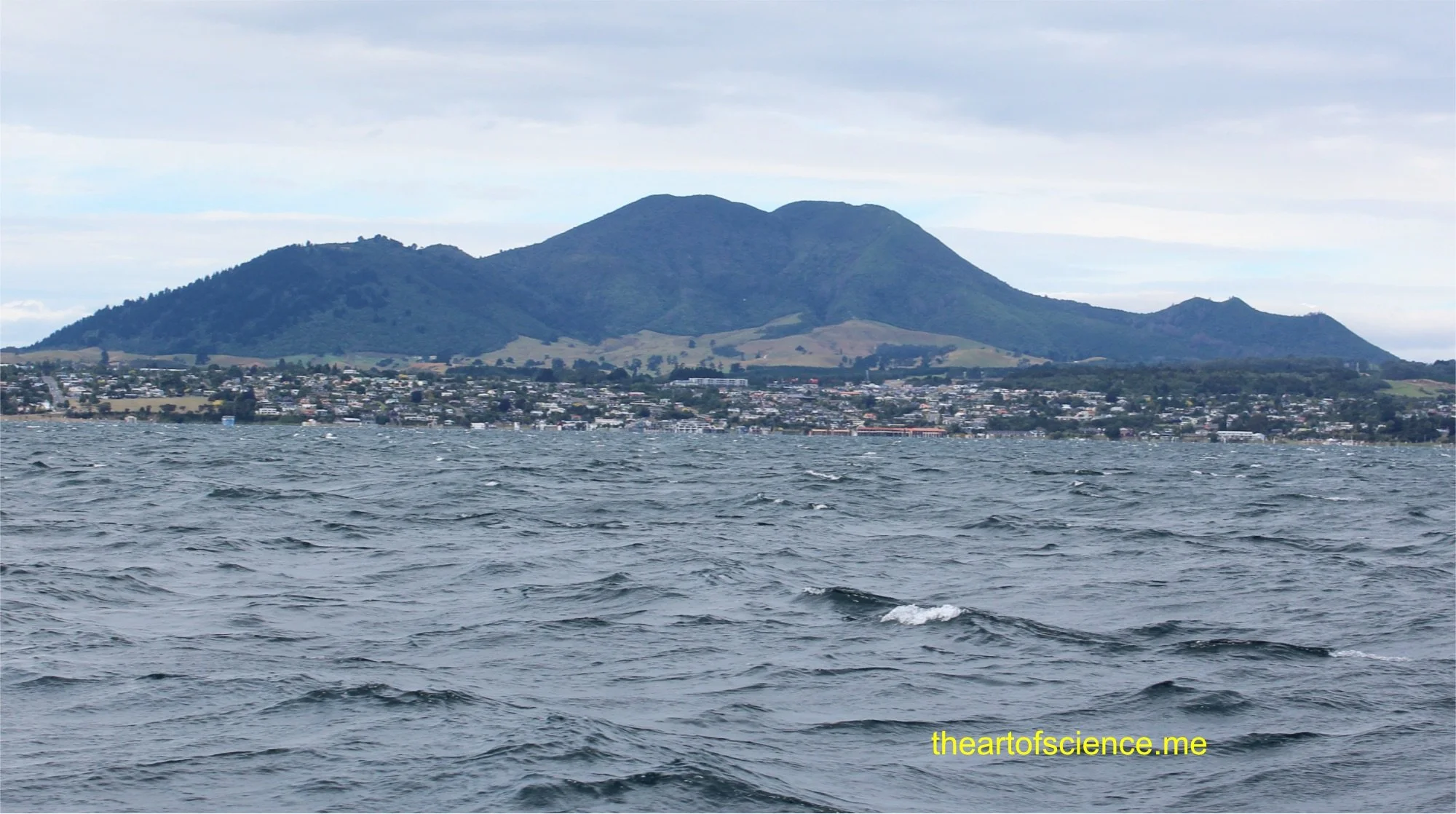
Mount Tauranga.
Less viscous than rhyolite, this lava oozed from a magma reservoir deep below lake Taupo 65,000 years ago.
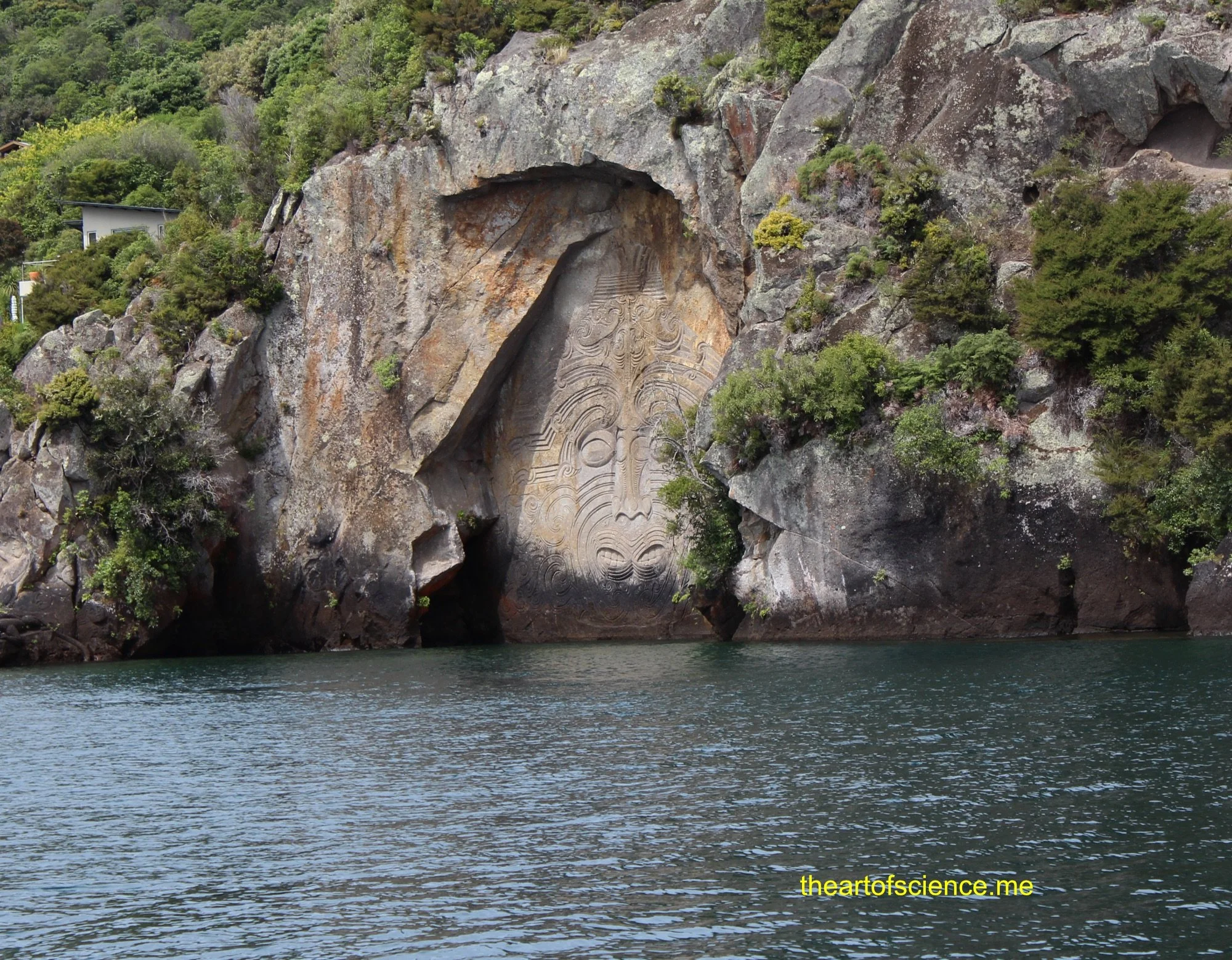
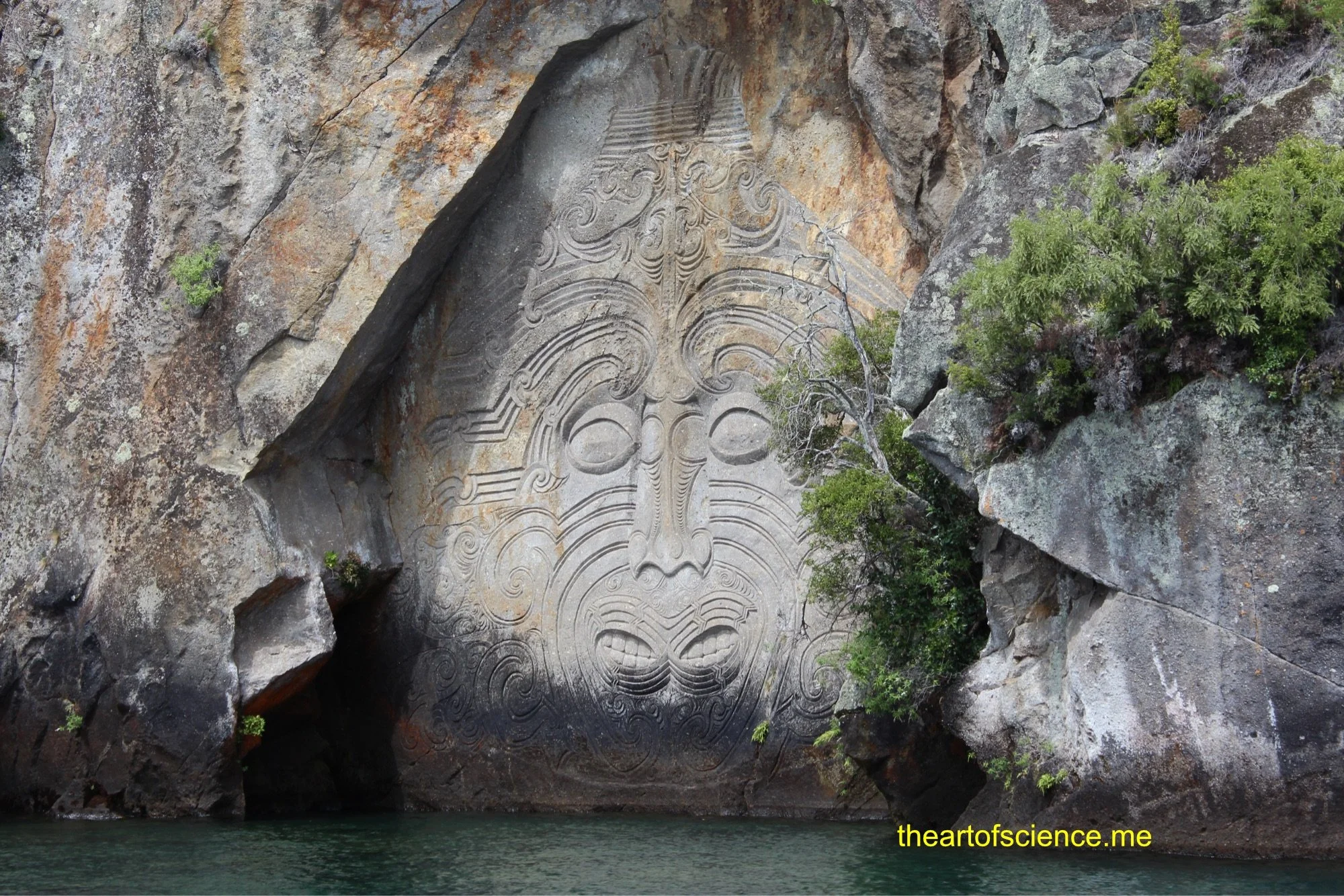
The rock face and amphitheatre for this art installation took a geological age to build. The story behind the carvings.
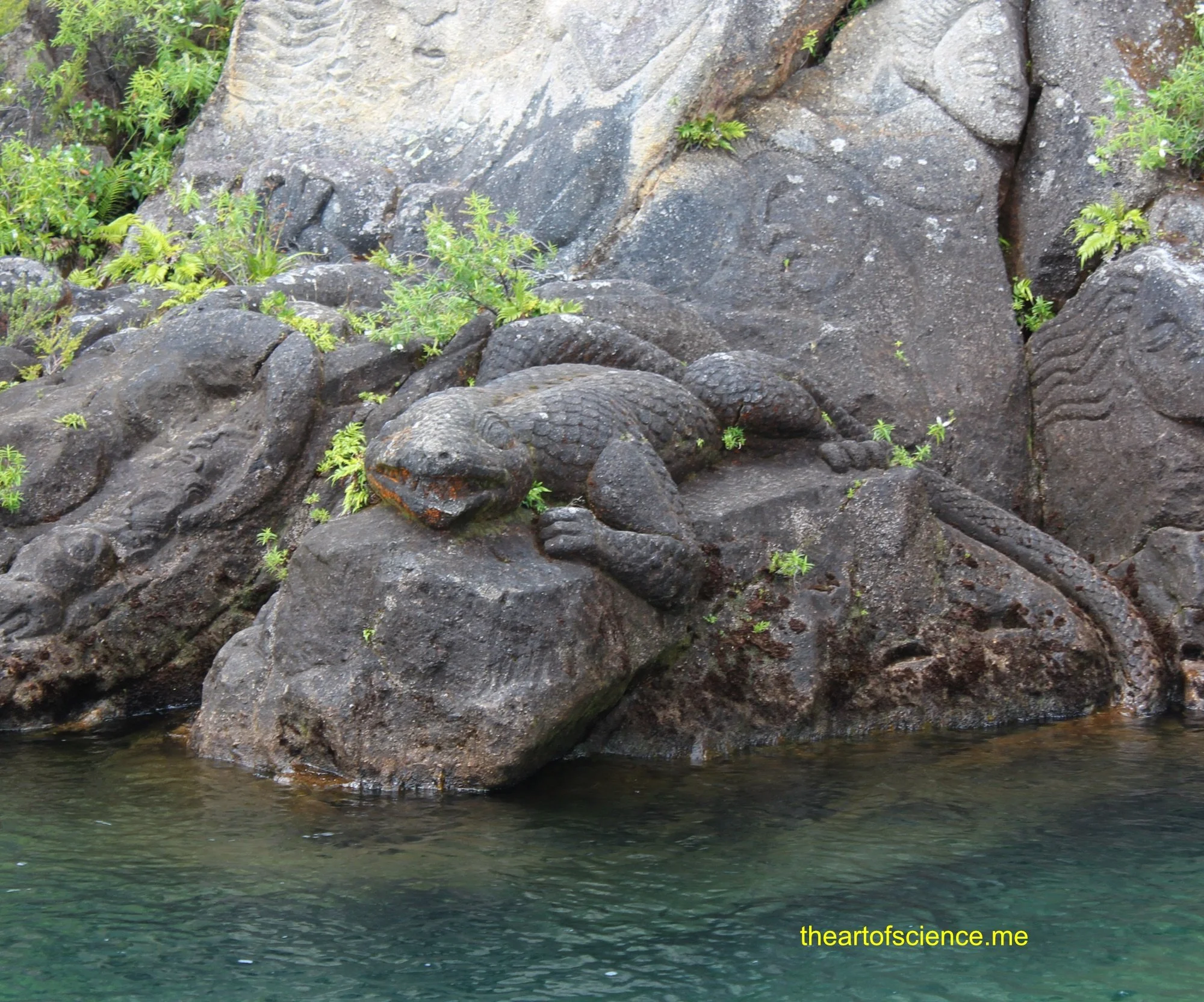
The lizard creature looks alive while it warms in the sun.
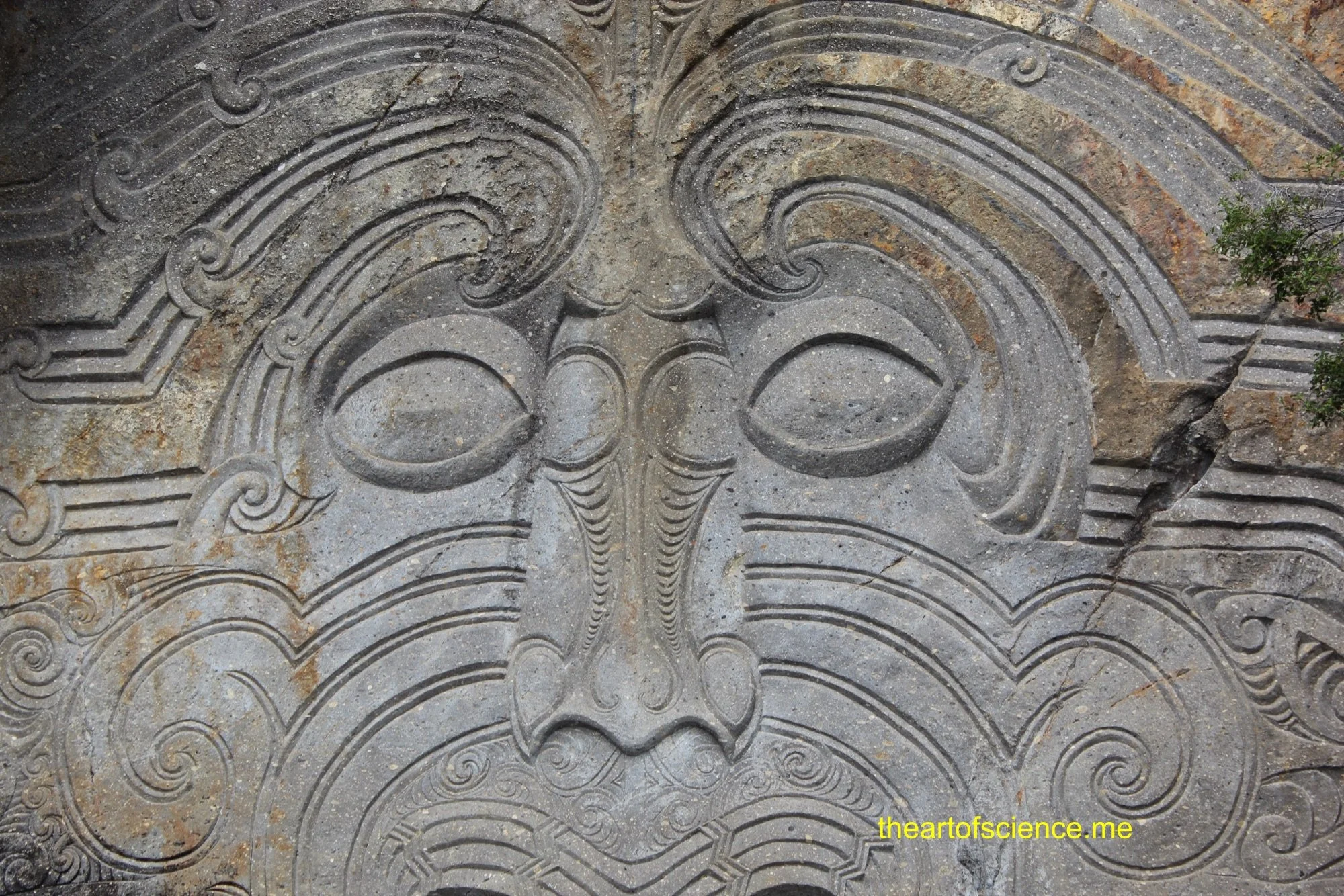
Beautiful art, a short boat trip away on the lake.
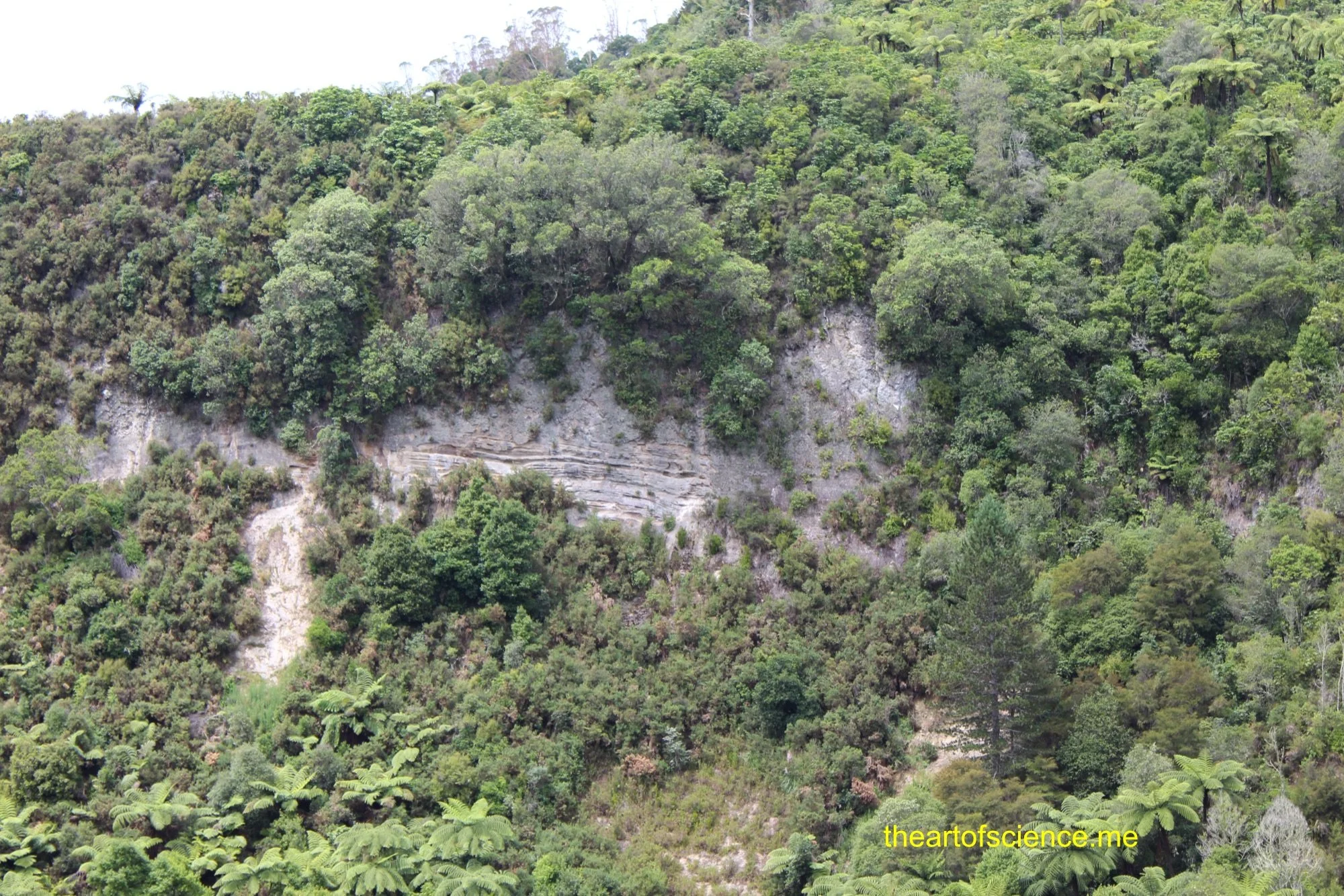
Rhyollitic Magma reacts explosively when it comes in contact with water closer to the surface. Large ash clouds roll across the landscape settling as fine grained ignimbrite deposits.
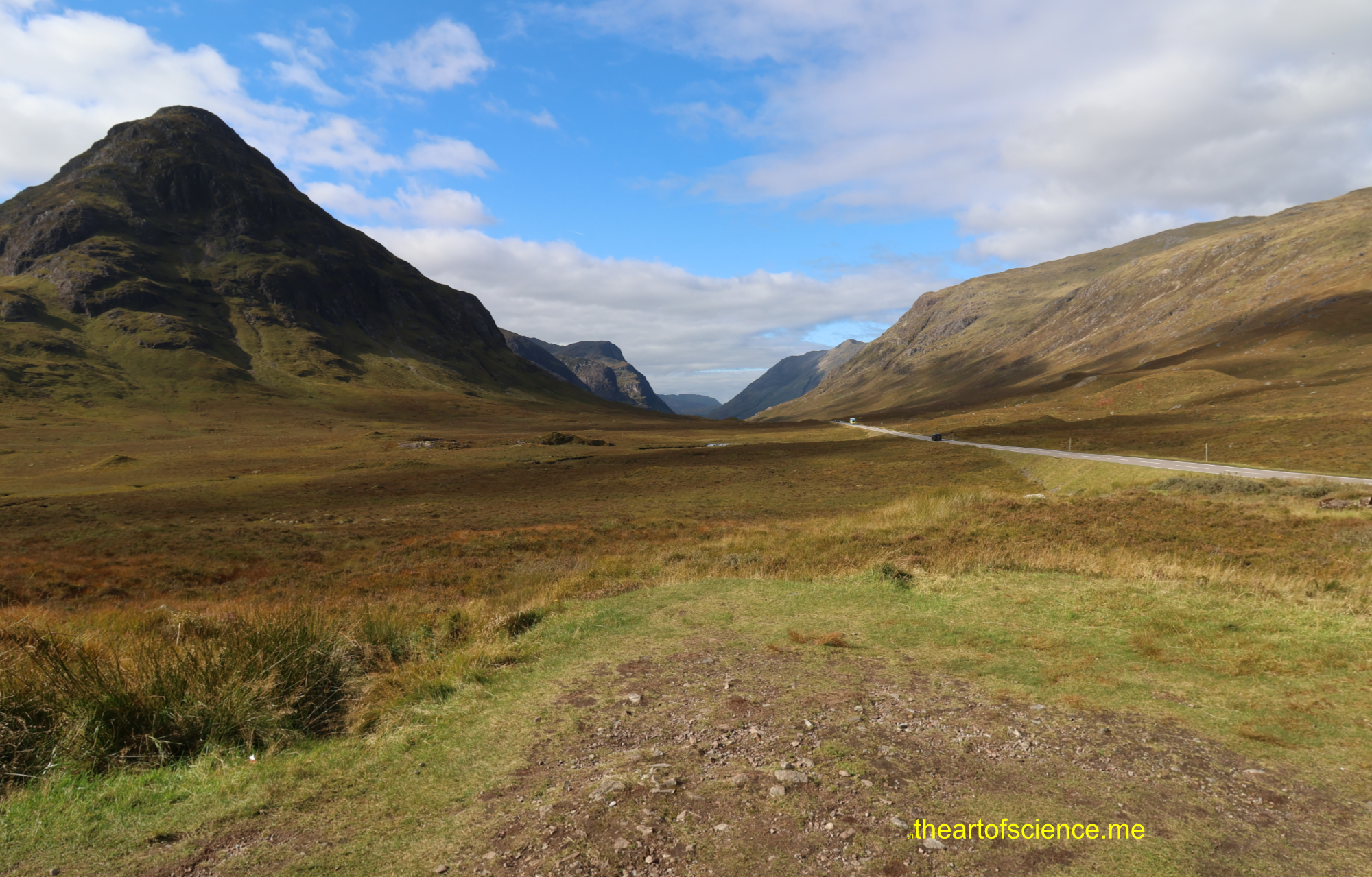
No lake but layers of rhyolite lava and ignimbrite. Caldera formation with concentric faulting was first recognised in the geology of Glencoe, Scotland.